
Single Mode vs. Multi Mode: Key Differences at a Glance

Understanding the core differences between single mode and multi mode fiber is crucial for optimizing your network infrastructure. Let’s explore the key distinctions that impact performance and cost-effectiveness for your Atlanta business.
Increase in bandwidth capacity with single mode fiber for Atlanta businesses.
0 %
Reduction in installation costs using multi mode fiber in Atlanta's commercial buildings.
0 %
Superior Performance

The Long-Distance Champion

Single mode fiber excels in long-distance data transmission due to its narrow core, which allows only one light mode to propagate. This minimizes signal degradation and enables high bandwidth over extended distances, making it ideal for backbone systems and large facilities. Atlanta Fiber Optic specializes in single mode fiber solutions for businesses across the Southeast.

Cost-Effective In-Building Fiber Solution

Multi mode fiber offers a budget-friendly solution for shorter distance data transmission within buildings. Ideal for connecting devices across floors or within a single facility, it provides sufficient bandwidth for most in-building network needs, making it a practical and economical choice for Atlanta businesses.

Single Mode vs. Multi Mode: Key Differences at a Glance

Understanding the core differences between single mode and multi mode fiber is crucial for selecting the optimal solution for your Atlanta business. We break down the key factors to consider, ensuring your network infrastructure aligns perfectly with your specific needs and budget. Let Atlanta Fiber Optic guide you.
A close-up shot of a single mode fiber optic cable, highlighting its thin core and yellow jacket, symbolizing its long-distance capabilities and precision data transmission.
Single Mode Fiber Advantages
Ideal for long-distance, high-bandwidth applications, single mode fiber offers superior performance for Atlanta businesses requiring extensive network reach. Atlanta Fiber Optic specializes in single mode installations for data centers and large facilities.
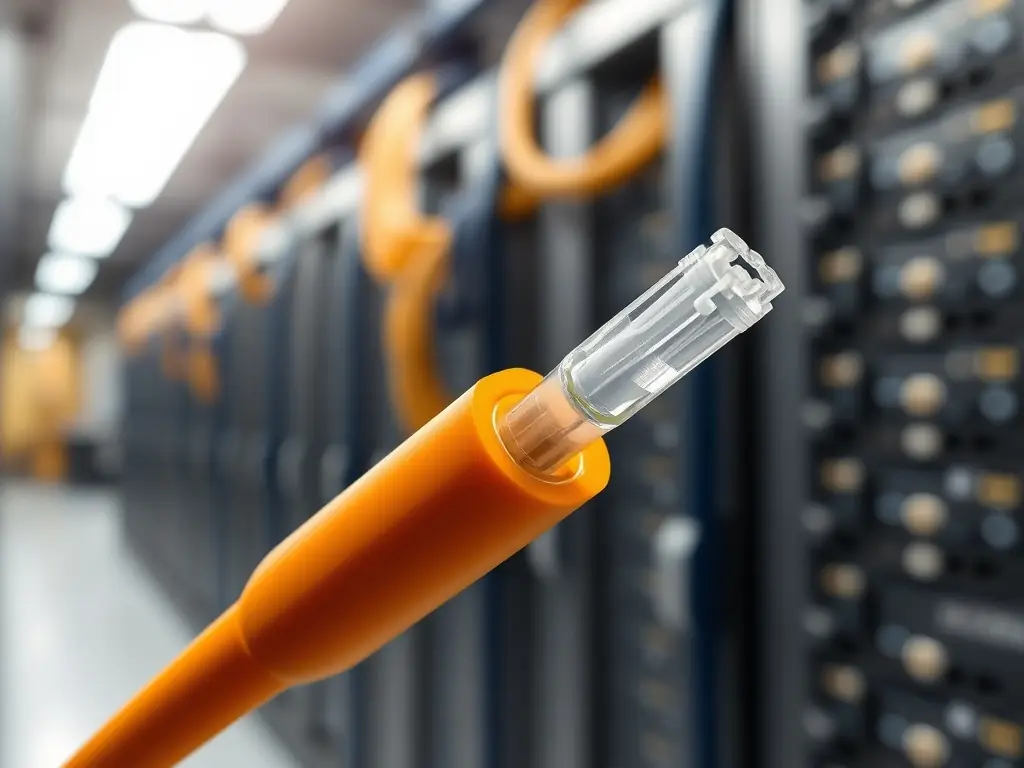
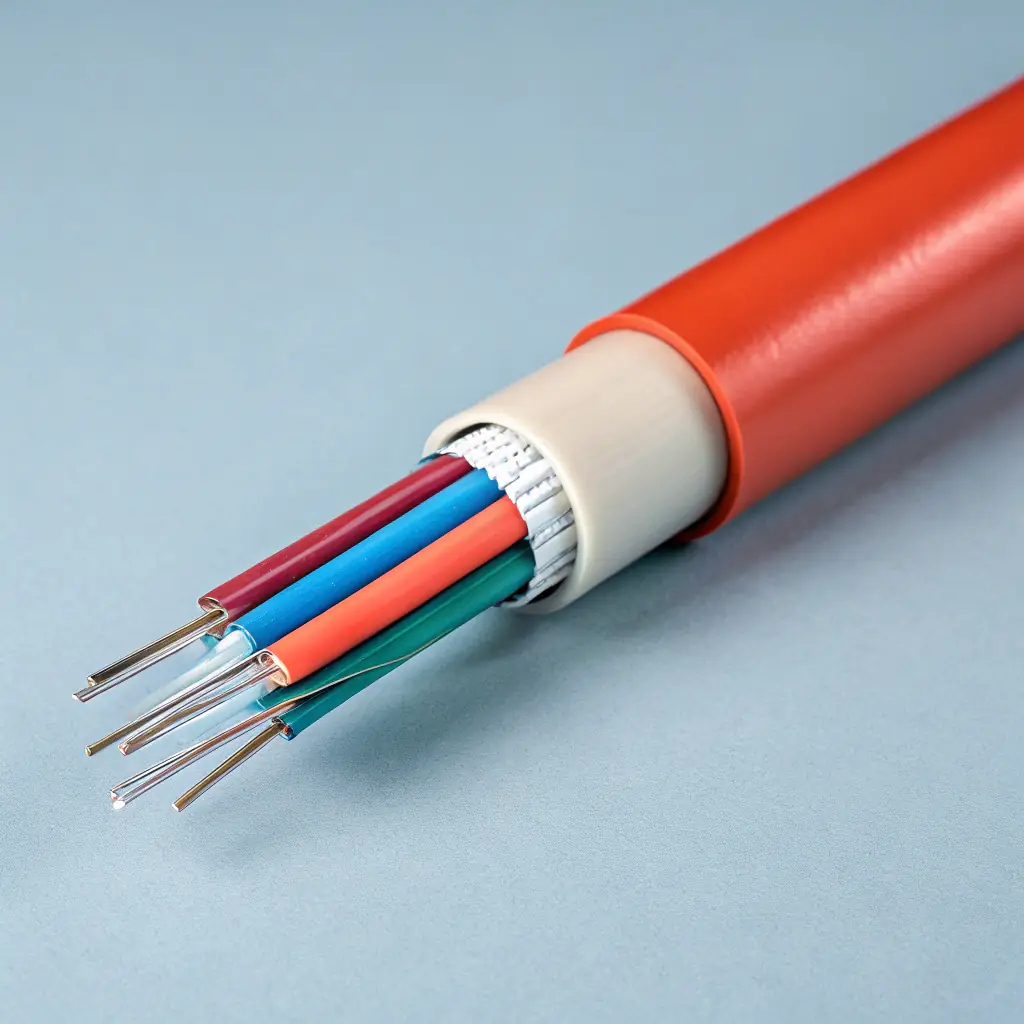
A close-up shot of a multi mode fiber optic cable, showcasing its thicker core and orange jacket, representing its cost-effectiveness and suitability for shorter distances.
Multi Mode Fiber Benefits
Multi mode fiber provides a cost-effective solution for in-building networks, offering sufficient bandwidth for most office and warehouse environments in Atlanta. Atlanta Fiber Optic provides expert multi mode installations for local area networks.

A comparison graphic illustrating the core size difference between single mode and multi mode fiber, visually emphasizing their distinct characteristics and applications in network infrastructure.
Core Size and Performance
The core size directly impacts bandwidth and distance capabilities. Single mode's smaller core allows for longer distances and higher bandwidth, while multi mode is suitable for shorter runs. Atlanta Fiber Optic can assess your needs.

Discover the Ideal Fiber Solution for Your Business Needs

Choosing the right fiber optic cable is crucial for optimal network performance. Explore real-world applications to understand whether single mode or multi mode fiber best suits your office, warehouse, data center, or campus environment. Let us help you make an informed decision for your business.
A modern office space with structured cabling, showcasing the use of multi mode fiber for connecting devices within the building.
Office Connectivity Solutions
For offices, multi mode fiber provides a cost-effective solution for connecting devices within a building. It supports high bandwidth for applications like video conferencing and data transfer over shorter distances.
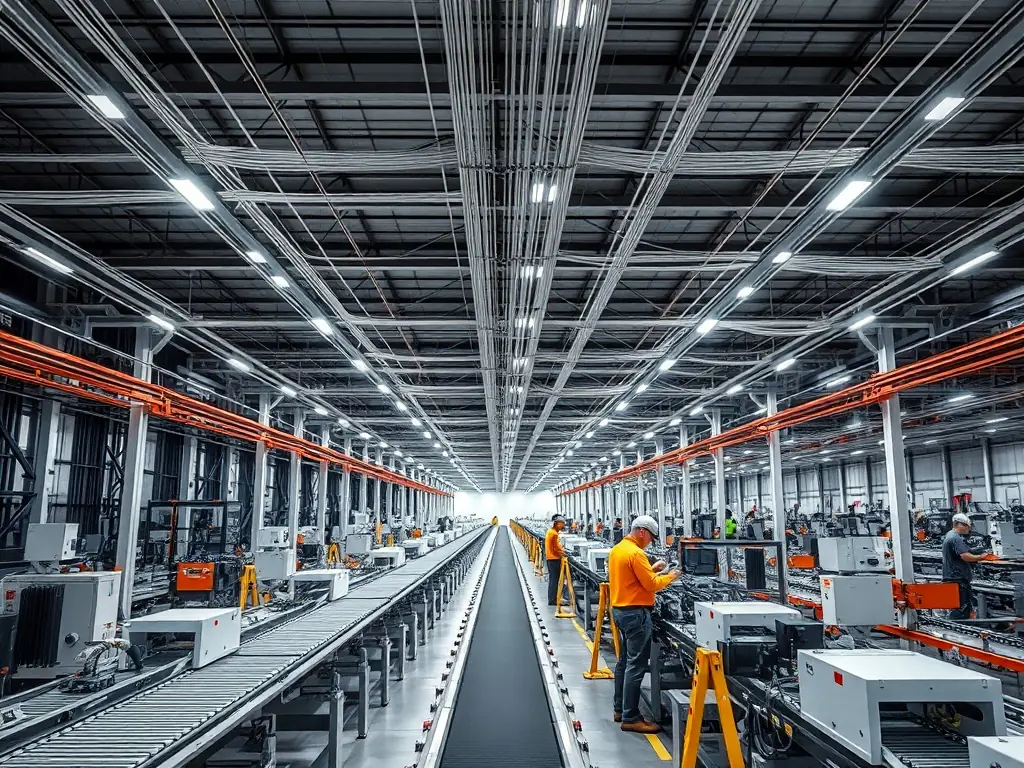
A large warehouse with automated systems and fiber optic cables running along the ceiling, illustrating the use of single mode fiber for long-distance communication.
Warehouse Automation Networks
Warehouses often require long-distance communication between different areas. Single mode fiber is ideal for these applications, providing reliable connectivity for automated systems and security cameras across the facility.
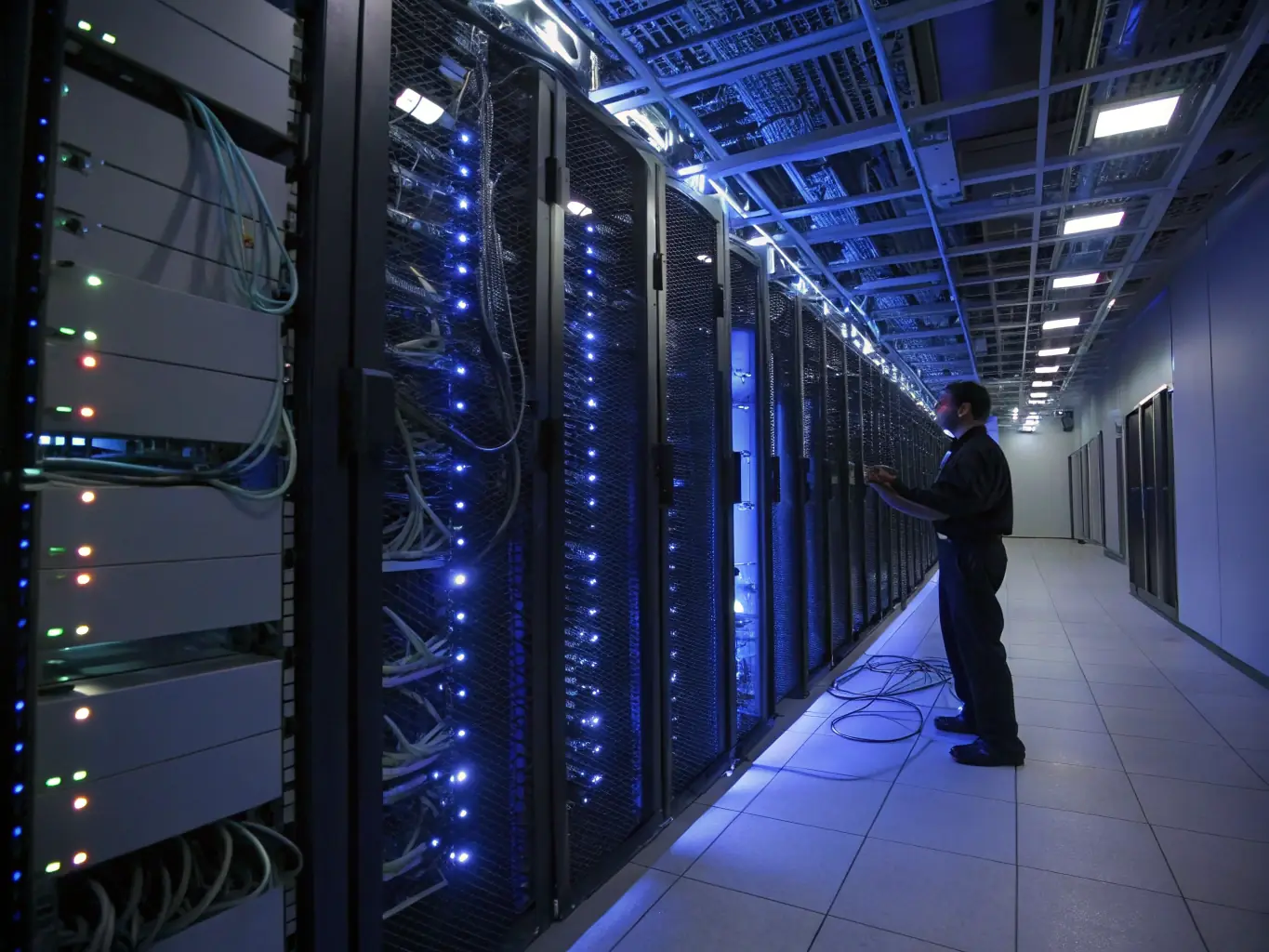
A data center with rows of servers and technicians working on fiber optic connections, highlighting the importance of high-speed data transfer.
Data Center Fiber Infrastructure
Data centers demand high bandwidth and low latency. Both single mode and multi mode fiber are used, depending on the distance and specific requirements of the network. We can help you design the optimal solution.

You cannot copy content of this page