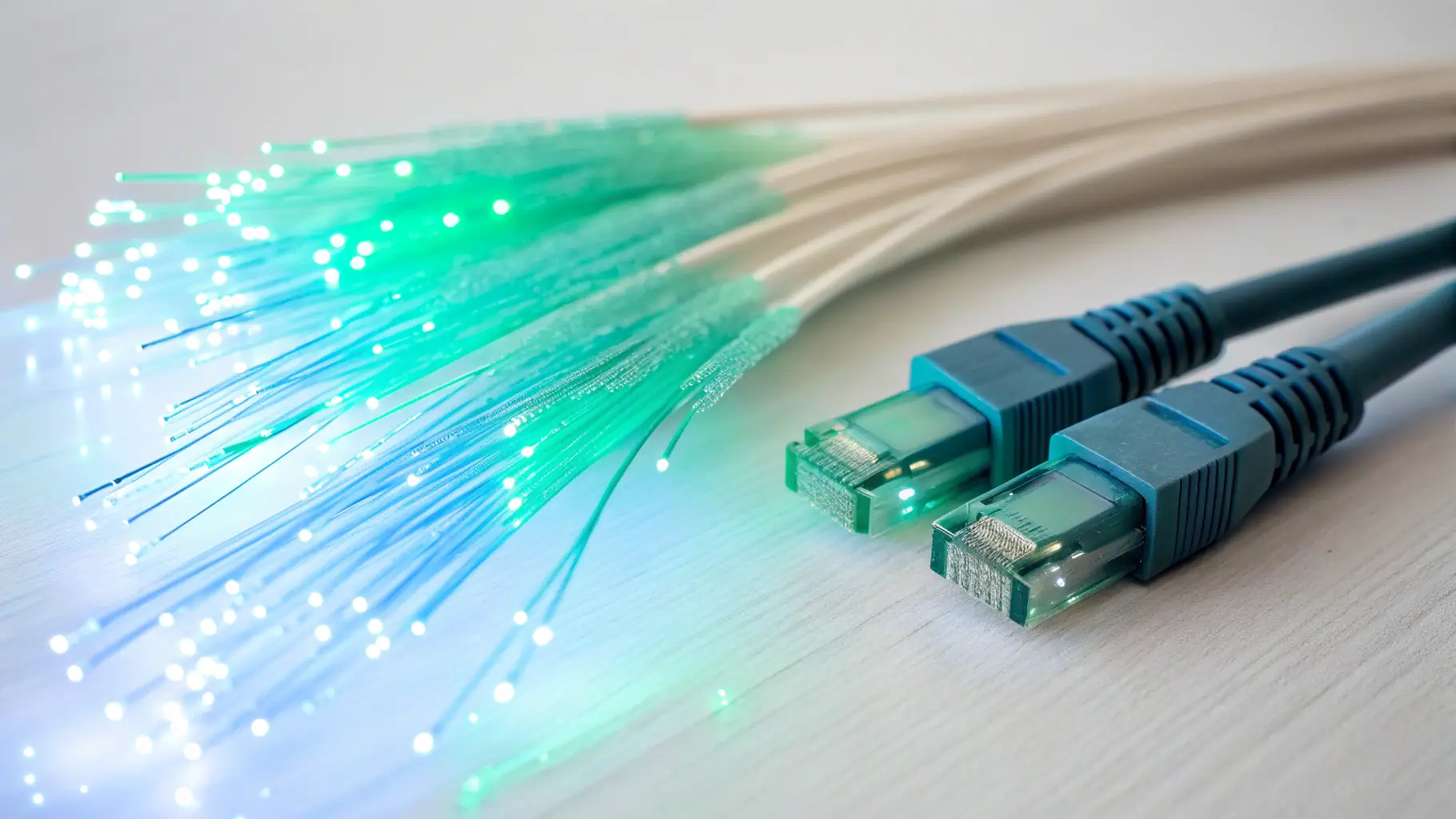
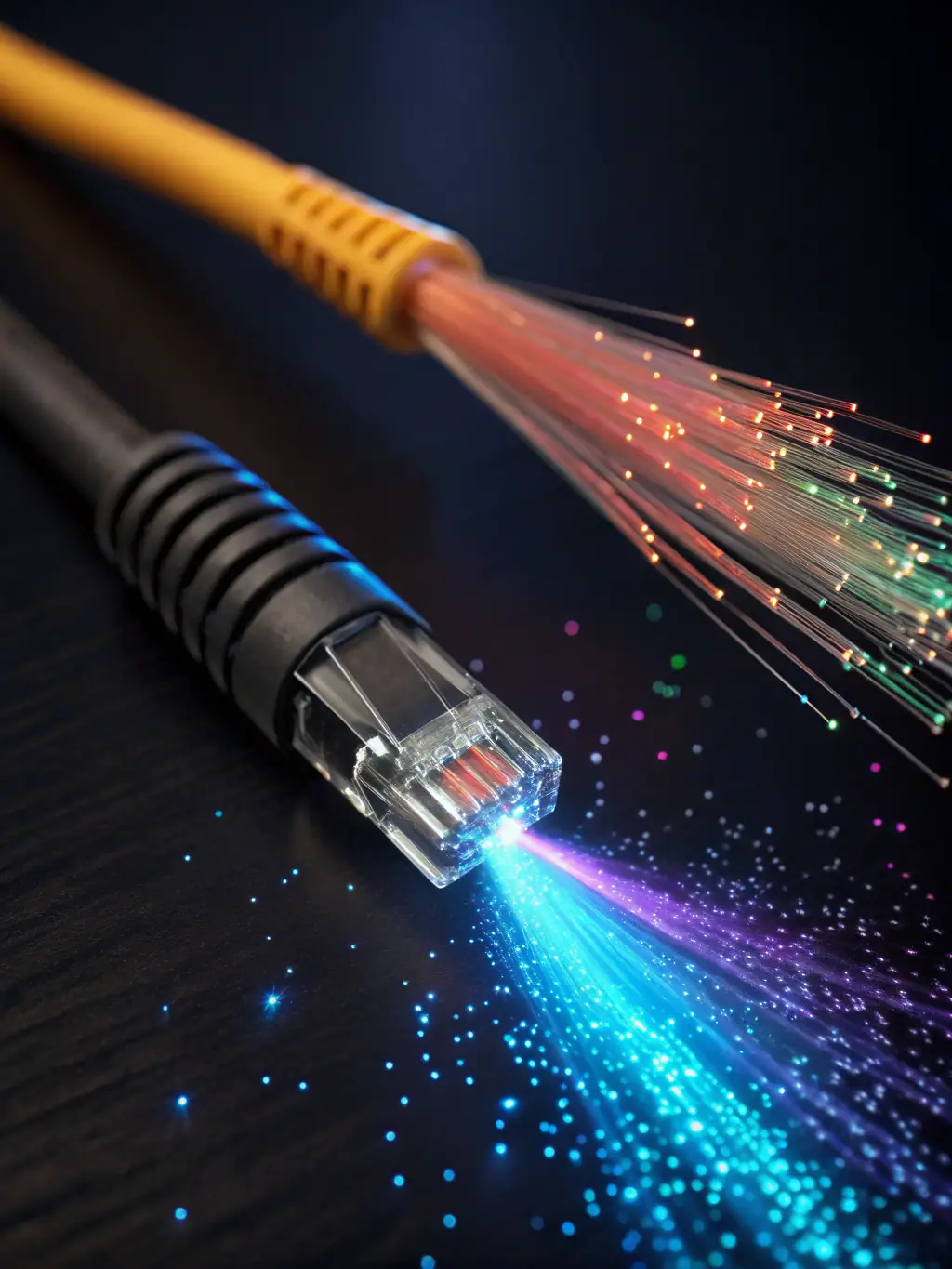
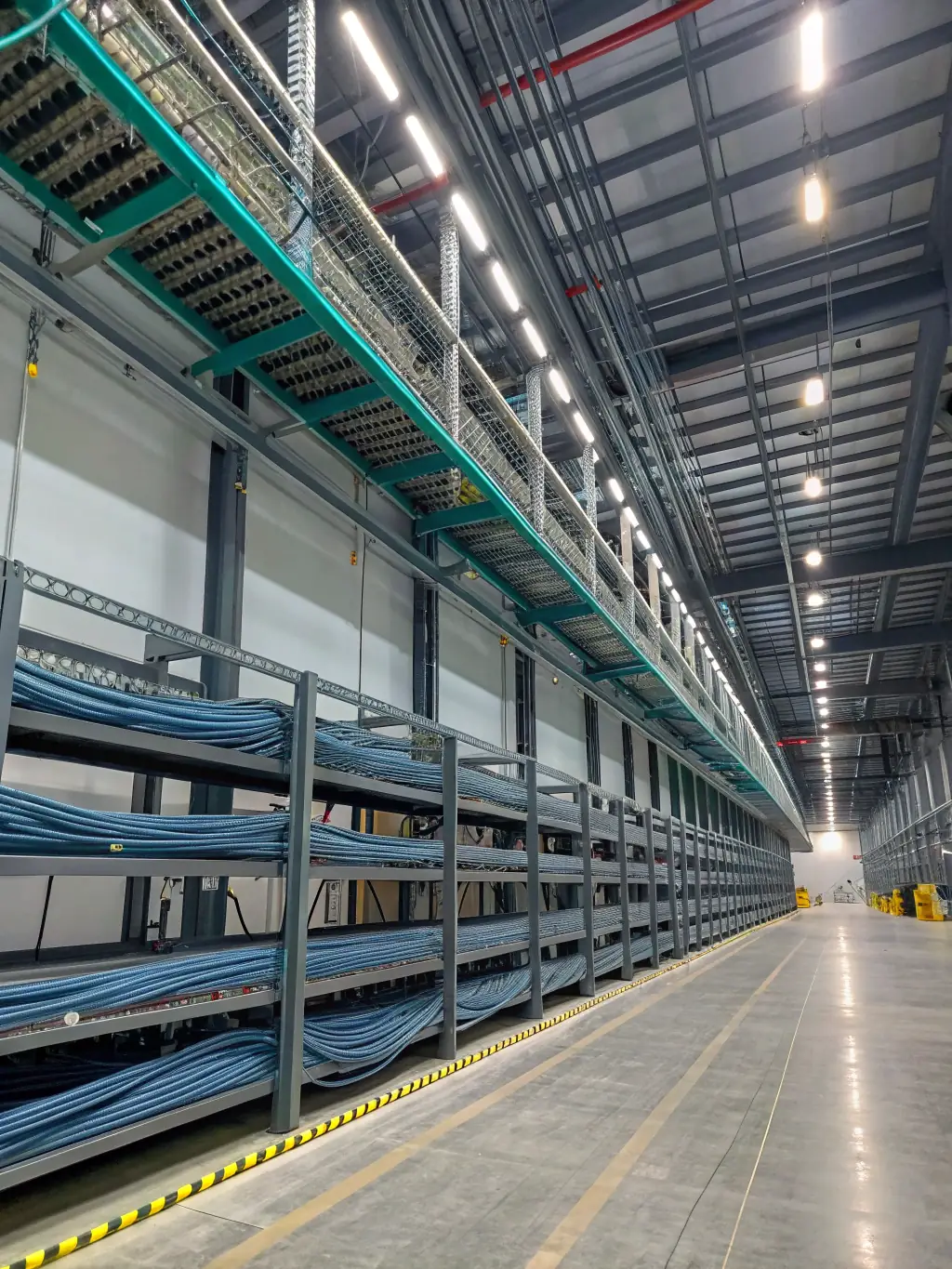
Fiber optic technology transmits data as light pulses through thin strands of glass or plastic. These strands, known as optical fibers, are bundled together in cables to form a transmission medium. Unlike traditional copper cables that transmit electrical signals, fiber optics use light, offering significant advantages in terms of speed, bandwidth, and resistance to interference.
The process begins with converting electrical signals into light signals using a transmitter. These light signals travel through the optical fiber and are then converted back into electrical signals by a receiver at the destination. This method allows for faster and more reliable data transmission over long distances.
The Science Behind Fiber Optics
Fiber optic technology relies on transmitting data as light pulses through thin strands of glass or plastic. This process involves several key principles:
* Total Internal Reflection: Light signals are guided along the fiber’s core due to total internal reflection. This occurs when light strikes the boundary between the core and cladding (outer layer) at an angle greater than the critical angle, causing the light to be reflected back into the core.
* Light Source: Lasers or LEDs are used to generate the light pulses that carry the data. Lasers provide a more focused and powerful light source, enabling longer transmission distances and higher data rates.
* Optical Fiber Structure: The fiber consists of a core, which carries the light, and a cladding, which surrounds the core and has a lower refractive index. This difference in refractive index is crucial for total internal reflection.
* Data Encoding: Data is encoded into the light pulses by modulating the light source. This can be done by varying the intensity, frequency, or phase of the light.
* Signal Detection: At the receiving end, photodetectors convert the light pulses back into electrical signals, which are then decoded to retrieve the original data.
Single mode fiber is designed for long-distance transmission, using a single strand of glass fiber to carry light. It offers higher bandwidth and lower attenuation, making it ideal for distances over 550 meters.
Multi Mode Fiber
Multi mode fiber has a larger core, allowing multiple modes of light to propagate. It’s typically used for shorter distances, such as within a building or campus, up to 550 meters. It is more cost-effective for shorter runs.
Atlanta Fiber Optic is a specialized fiber optic contractor in Atlanta providing high-performance fiber infrastructure for businesses, data centers, and multi-location enterprises. We focus exclusively on fiber optic installation, splicing, testing, and repair, delivering reliable, scalable connectivity for mission-critical networks. All fiber projects are installed to industry standards, OTDR tested, certified, labeled, and fully documented for long-term performance.
Atlanta Fiber Service Areas: Atlanta • Alpharetta • Marietta • Sandy Springs • Roswell • Duluth • Norcross • Decatur • Lawrenceville • Kennesaw • Johns Creek • Peachtree City
Trusted by Atlanta businesses, property managers, data centers, and national partners for precision fiber optic installations, fast troubleshooting, and certified performance testing.